Contact: +91 844 894 1008

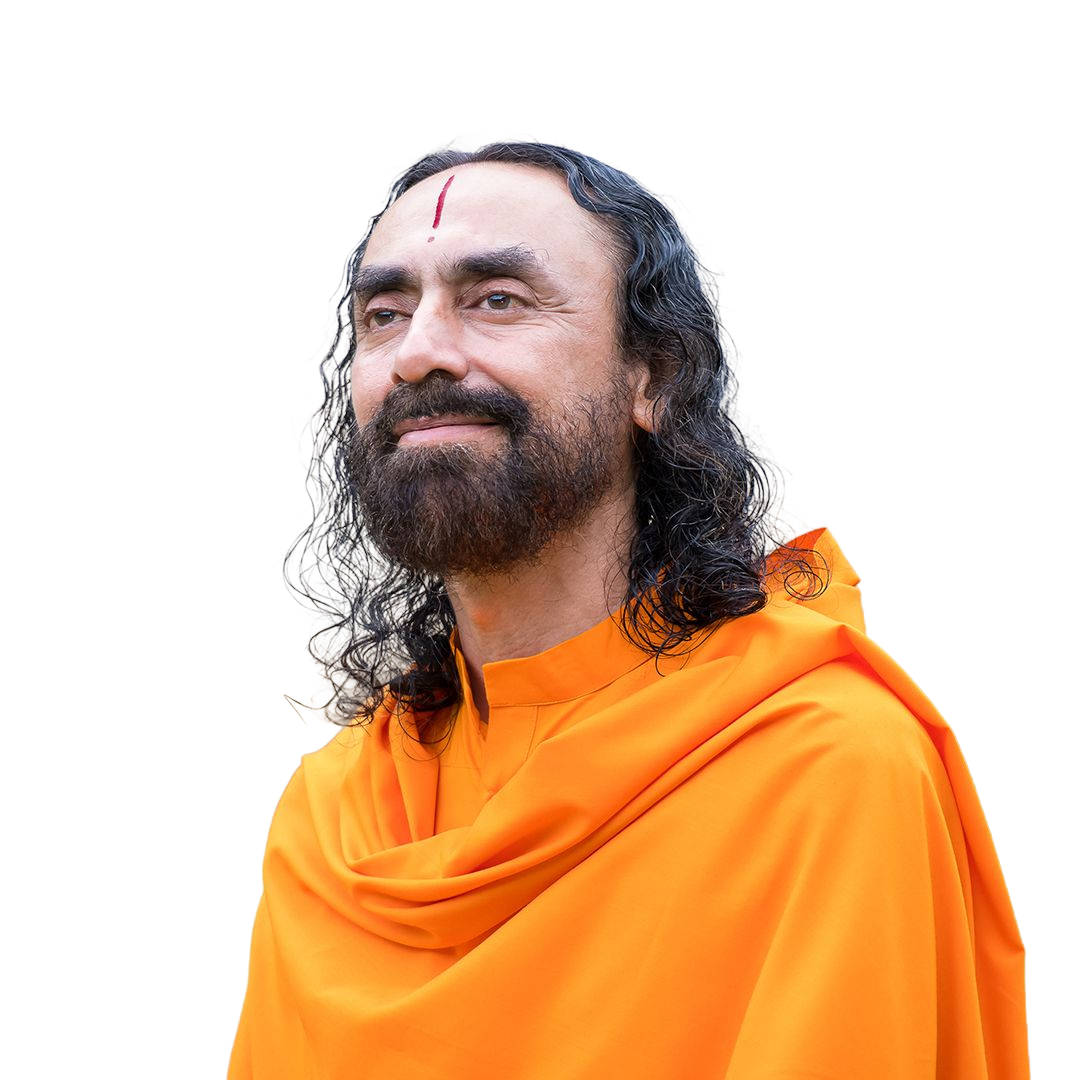
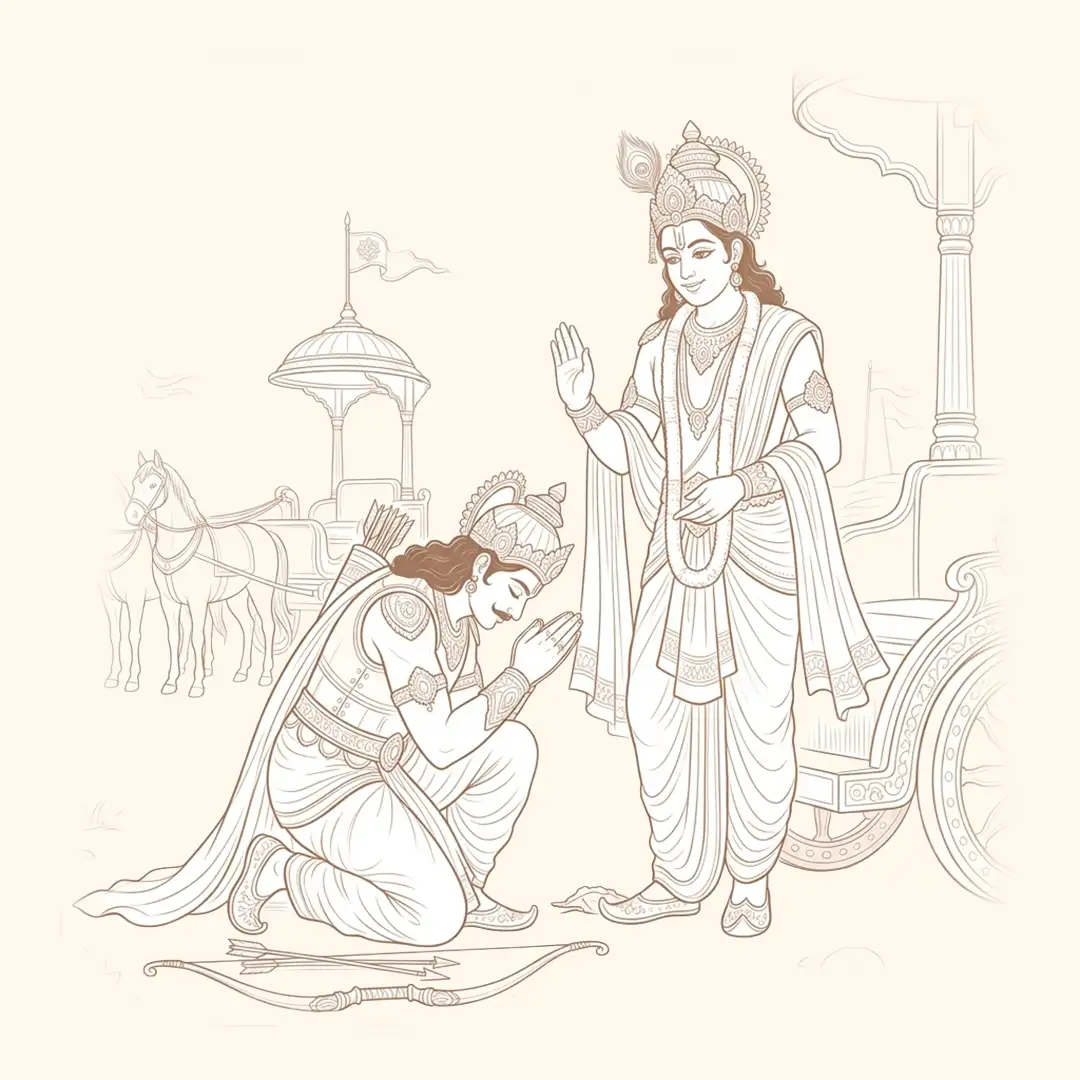
Discover timeless wisdom with authentic commentary and profound clarity. Read the eternal dialogue between Lord Krishna and Arjuna.



कर्मण्येवाधिकारस्ते मा फलेषु कदाचन |
मा कर्मफलहेतुर्भूर्मा ते सङ्गोऽस्त्वकर्मणि || 47 ||
Translation: You have a right to perform your prescribed duties, but you are not entitled to the fruits of your actions. Never consider yourself to be the cause of the results of your activities, nor be attached to inaction.
Commentary: This is an extremely popular verse of the Bhagavad Gita, so much so that even most school children in India are familiar with it. It offers deep insight into the proper spirit of work and …
Open This Verse ›
#1 Gita Site on Google Search
No of Visitors Till Today
Unable to deal with the immediate problem at hand, Arjun approached Shree Krishna for a palliative to overcome the anguish he was experiencing. Shree Krishna did not just advise him on his immediate problem, but digressed to give a profound discourse on the philosophy of life. Hence, the purpose of the Bhagavad Gita, above everything else, is to impart Brahma Vidya, the science of God-realization.
The Bhagavad Gita is not content with providing a lofty philosophical understanding; it also describes clear-cut techniques for implementing its spiritual precepts for everyday life. These techniques of applying the science of spirituality in our lives are termed "Yog." Hence, the Bhagavad Gita is also called "Yog Shastra," meaning, the scripture that teaches the practice of Yog.
Inexperienced spiritual practitioners often separate spirituality from temporal life; some look on beatitude as something to be attained in the hereafter. But the Bhagavad Gita makes no such distinction, and aims at the consecration of every aspect of human life in this world itself. Thus, all its eighteen chapters are designated as different types of Yog, since they deal with methodologies for the application of spiritual knowledge to practical life.
Navigate directly to the wisdom you seek

Journey through 18 chapters of timeless wisdom, each revealing profound truths about life, duty, and the divine
 1
1
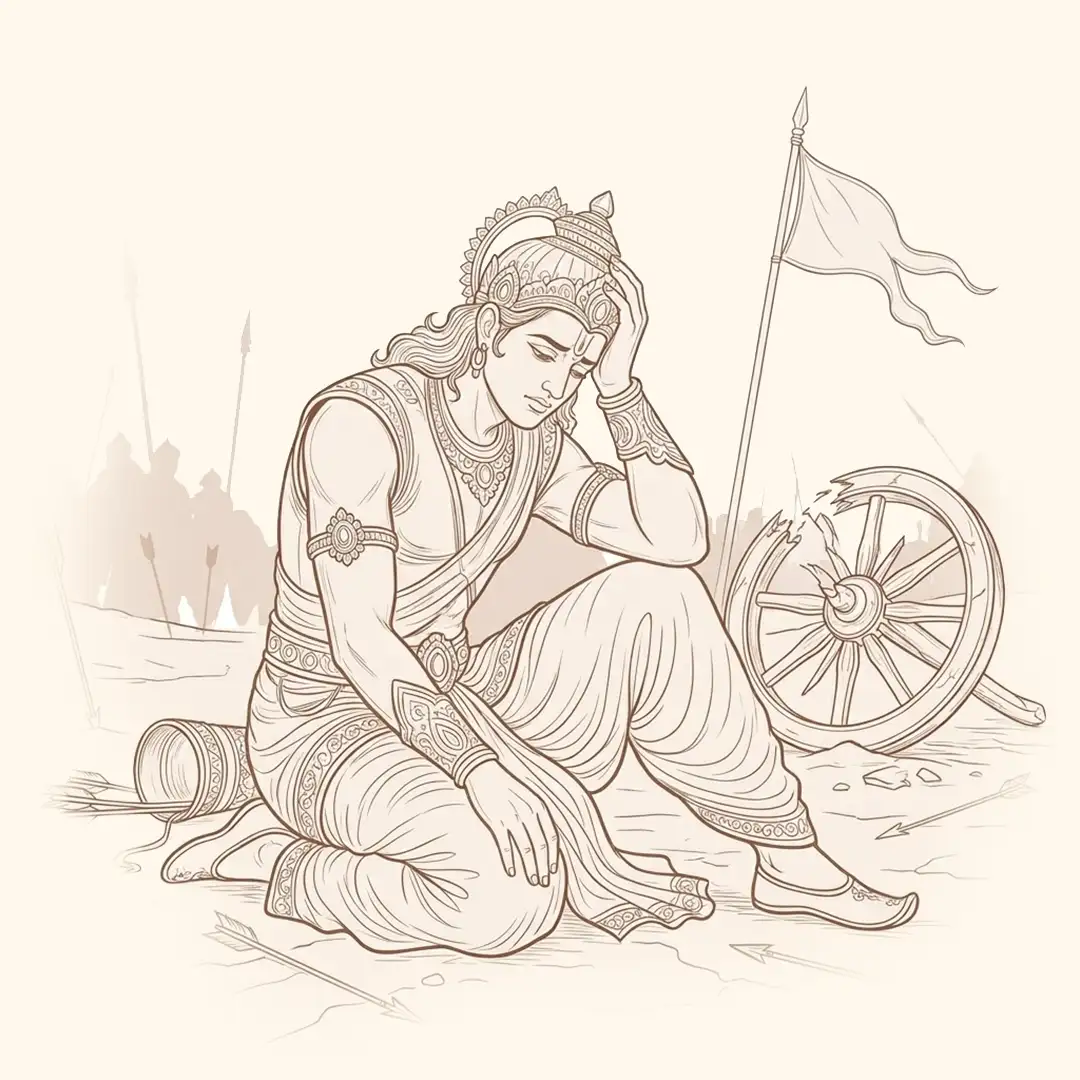
Lamenting the Consequences of War
The Bhagavad Gita, or the song of God, was revealed by Lord Shree Krishna to Arjun on the threshold of …
 2
2
The Yog of Analytical Knowledge
In this chapter, Arjun reiterates to Shree Krishna that he is unable to cope with his current situation, where he …
 3
3
The Yog of Action
Shree Krishna expounds on karm yog or the yog of action in this chapter. He explains to Arjun that nobody …
 4
4
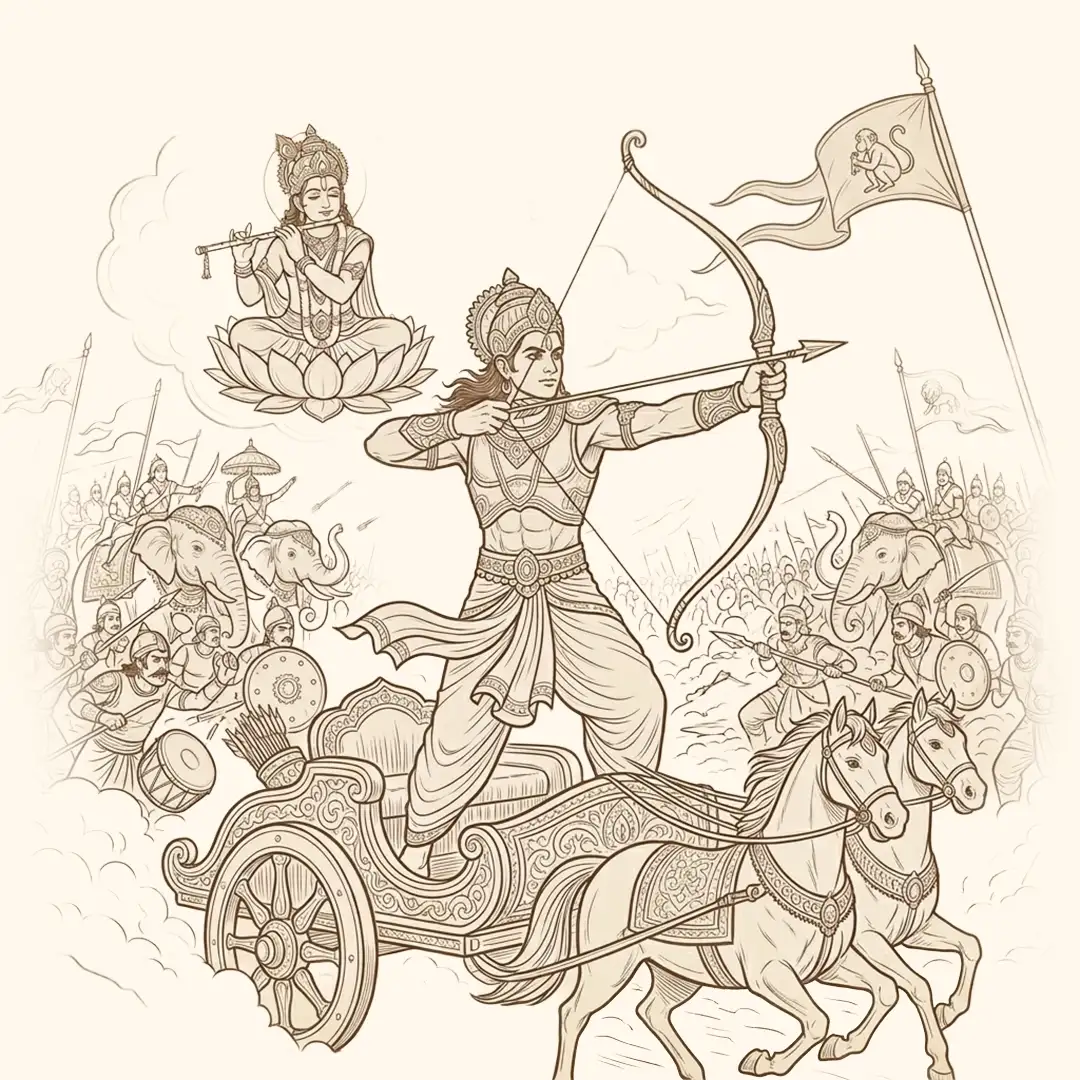
The Yog of Knowledge and the Disciplines of Action
To strengthen Arjun’s faith in the knowledge He is imparting, Shree Krishna reveals its pristine origin in this chapter. He …
 5
5
The Yog of Renunciation
In this chapter, Shree Krishna compares karm sanyās yog (the path of renunciation of actions) with karm yog (the path …
 6
6
The Yog of Meditation
Shree Krishna continues the comparative evaluation between karm yog (the practice of spirituality while performing worldly duties) and karm sanyas …
 7
7
Yog through the Realization of Divine Knowledge
This chapter begins with Shree Krishna describing the material and spiritual dimensions of God’s energies. He explains that similar to …
 8
8
The Yog of the Eternal God
In this chapter, Shree Krishna briefly describes several significant concepts and terms that the Upanishads expound in detail. He also …
 9
9
Yog through the King of Sciences
In the two previous chapters, the Supreme Lord Shree Krishna declared that among all, bhakti is the highest, yet …
 10
10
Yog through Appreciating the Infinite Opulences of God
The previous chapter revealed the science of bhakti or loving devotion of God. In this chapter, Shree Krishna desires to …
 11
11
Yog through Beholding the Cosmic Form of God
To nurture and intensify Arjun’s devotion, Shree Krishna had described His divine vibhūtis (opulence) in the previous chapter. Towards the …
 12
12
The Yog of Devotion
This chapter begins with Arjun asking Shree Krishna about the two types of yogis and among them whom does He …
 13
13
Yog through Distinguishing the Field and the Knower of the Field
Based on its content, the eighteen chapters of the Bhagavad Gita can be divided into three sections. The first six …
 14
14
Yog through Understanding the Three Modes of Material Nature
In the previous chapter, Shree Krishna explained the difference between the material body and the soul in detail. In this …
 15
15
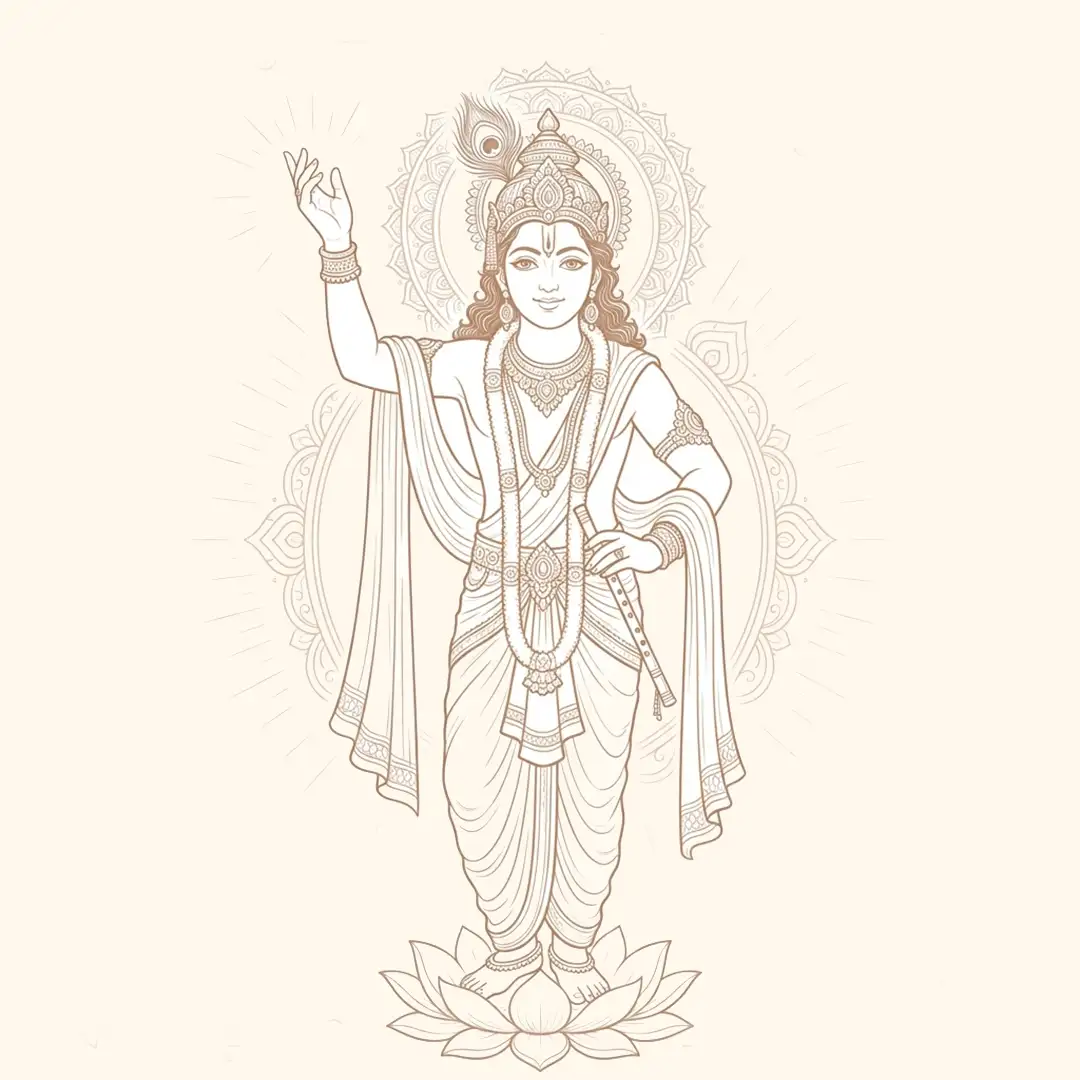
The Yog of the Supreme Divine Personality
Shree Krishna had enlightened Arjun in the previous chapter that by transcending the effects of the three gunas (modes of …
 16
16
Yog through Discerning the Divine and Demoniac Natures
This chapter expounds on the two kinds of human nature—the saintly and the demoniac. Shree Krishna explains that the saintly-nature …
 17
17
Yog through Discerning the Three Divisions of Faith
Earlier in chapter fourteen, Shree Krishna had explained the three gunas or modes of material nature and how they govern …
 18
18
Yog through the Perfection of Renunciation and Surrender
This last chapter of the Bhagavad Gita is the longest as it explicates many subjects. It starts with Arjun requesting …
Start your day with the timeless inspiring wisdom from the Holy Bhagavad Gita delivered straight to your email!